20 Most Popular Superheroes of All Time, Ranked
Which superheroes have lasted beyond the comics page to become global icons? The greatest superheroes are known not only for their powers, but also for the stories, films, television series, games and cultural conversations they inspire. This ranked list considers name recognition, historical significance, enduring popularity, screen adaptations, video games and movie performance.
There is no single official measure of a superhero’s greatness, and box-office totals alone do not tell the whole story. This ranking balances commercial success with long-term influence and recognizability. It includes individual heroes and a few team-based icons whose members are best known together.
How the superheroes were ranked
The order weighs four broad factors: how recognizable a character is around the world; the superhero’s cultural and historical impact; the breadth and longevity of appearances in comics, television, films and games; and the commercial reach of major screen adaptations. “Movie success” means franchise and film performance, not that every adaptation was a hit. Box-office comparisons can vary by source, territory and whether figures are adjusted for inflation, so the chart below uses reported worldwide grosses as useful reference points rather than a complete measure of character popularity.
Superhero movie success: selected worldwide box-office landmarks
| Film | Year | Worldwide box-office gross | Hero or team |
|---|---|---|---|
| Avengers: Endgame | 2019 | About $2.8 billion | The Avengers |
| Avengers: Infinity War | 2018 | About $2.0 billion | The Avengers |
| Spider-Man: No Way Home | 2021 | About $1.9 billion | Spider-Man |
| The Avengers | 2012 | About $1.5 billion | The Avengers |
| Black Panther | 2018 | About $1.3 billion | Black Panther |
| Aquaman | 2018 | About $1.1 billion | Aquaman |
These figures are rounded reference points, not an inflation-adjusted ranking. The highest-grossing superhero-film lists also show the strength of characters such as Spider-Man, Batman and Superman across multiple generations of cinema. A strong box office can boost a hero’s visibility, but classic television, animation, comic-book storytelling and games also shape lasting fame.
The 20 most popular superheroes of all time
1. Spider-Man
Spider-Man tops this list because he combines instant recognizability with a remarkably human appeal. Peter Parker’s familiar problems—school, work, family, money and responsibility—make his spectacular adventures feel personal. His mantra, “With great power comes great responsibility,” has become a lasting cultural idea. Spider-Man has starred in animated and live-action television, multiple film series, and celebrated games including Marvel’s Spider-Man. The films have repeatedly brought the character to new audiences, while Miles Morales has expanded the hero’s reach and representation. Few superheroes have a costume, symbol and origin story that are so widely recognized.
2. Batman
Batman has no superpowers, yet his name belongs among the most famous in entertainment. The detective, billionaire and Gotham City protector has moved easily between comics, dark dramas, camp television, animation and blockbuster films. His stories explore crime, justice, grief and the limits of vigilantism. The character’s screen history includes the classic Batman television series, acclaimed animated productions and films such as The Dark Knight. Batman also anchors a deep roster of games, from action adventures to the Arkham series. His enduring cultural influence comes from a flexible premise: a human being using intelligence, preparation and determination to confront extraordinary threats.
3. Superman
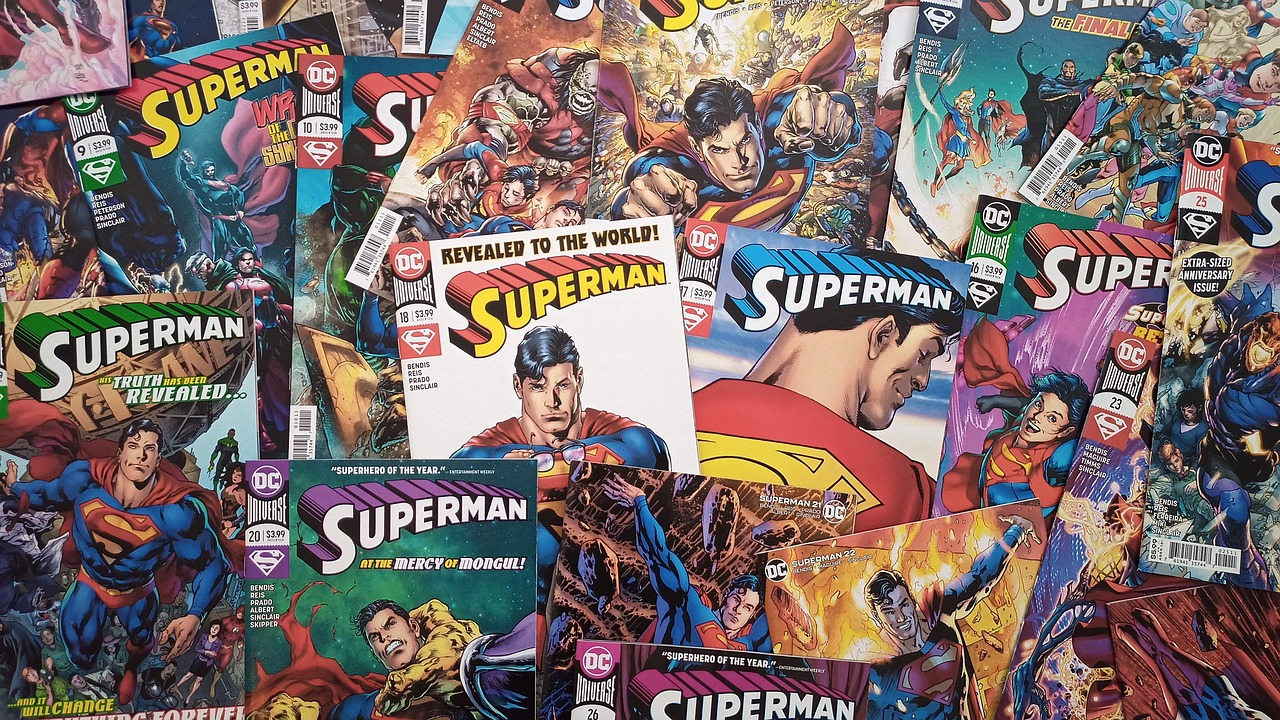
Superman helped establish the modern superhero template: a distinctive costume, a secret identity, extraordinary abilities and a mission to protect others. Since his comic-book debut in 1938, the Man of Steel has become a worldwide symbol of hope and moral courage. Radio, theatrical serials, television, animation, films and games have all carried his story to new audiences. Superman: The Movie helped show that a comic-book hero could lead a major feature film, while later adaptations have reinterpreted his role for changing times. The character’s recognizable crest and flying image remain powerful pop-culture shorthand for heroism.
4. Wonder Woman
Wonder Woman is one of the most important and recognizable female superheroes in the world. Created during the 1940s, Diana has become a symbol of strength, compassion and equality, with stories that blend myth, adventure and questions of peace. Her impact extends through comics, animation, television and feature films. The 1970s television series introduced her to a broad audience, while modern cinema brought the character to another generation. Wonder Woman has also appeared in numerous superhero games and team stories. Her lasting influence is larger than any one adaptation: she remains a leading example of a woman hero with an independent identity and global cultural presence.
5. Iron Man
Tony Stark’s evolution from a comics hero into a worldwide household name is one of modern entertainment’s clearest superhero success stories. Iron Man’s armor, engineering genius and sharp personality distinguish him from heroes whose power is innate. The 2008 film Iron Man helped launch the Marvel Cinematic Universe, and the character became central to its interconnected films. He has also appeared in animated series and a range of video games. Iron Man’s cultural impact comes partly from his technology-driven image, but also from stories about responsibility, ego and personal change. His screen success demonstrates how a compelling performance can transform a less universally known comic character into a global icon.
6. Captain America
Captain America is one of comics’ most enduring patriotic heroes, but his strongest stories examine what ideals mean in practice. Steve Rogers is often portrayed as principled, brave and willing to challenge authority when it fails to live up to its promises. His shield is among superhero fiction’s most recognizable objects. Captain America has appeared in comics, serials, television, animated productions, films and games. The Marvel films made his wartime origin and modern-day dilemmas familiar to a huge international audience. His place in the Avengers also connects his solo adventures to one of the most successful superhero teams in cinema.
7. Black Panther
Black Panther is both a superhero and the king of Wakanda, a fictional nation whose culture, technology and history have become central to his stories. T’Challa’s comic-book legacy and his landmark portrayal in the 2018 film made him a defining figure in conversations about representation in popular culture. Black Panther earned more than $1 billion worldwide and became a major event beyond the superhero genre. The character also appears in animation, games and ensemble films. His influence comes from the combination of a compelling hero, a richly imagined world and stories about leadership, heritage and community.
8. Hulk
The Hulk turns inner conflict into a vivid superhero concept: a brilliant scientist whose anger unleashes overwhelming strength. Bruce Banner’s struggle to control the transformation has supported decades of comic stories and made the character understandable even to people who have never read the comics. The 1970s television series introduced the Hulk to a broad audience, followed by animated shows, theatrical films, team-up movies and video games. His instantly recognizable green appearance makes him one of the easiest heroes to identify. The Hulk’s cultural staying power comes from an unusual mix of spectacle and emotional vulnerability.
9. Wolverine
Wolverine is a cornerstone of the X-Men and one of Marvel’s most recognizable characters. His claws, healing ability and fierce personality make him a striking action hero, while his long life gives writers room to explore memory, trauma and belonging. Wolverine became especially famous through animated X-Men series and a series of major films. He has also led games and appeared across the wider Marvel universe. His popularity helped make the X-Men a powerful screen and publishing franchise. Few characters balance a rough-edged image with such strong audience affection across comics, television, cinema and games.
10. Thor
Thor brings Norse mythology into superhero storytelling, combining a mythic scale with a surprisingly adaptable personality. The god of thunder is known for his hammer, his Asgardian family and his relationships with the other Avengers. Comics, animation and films have all explored his changing role as warrior, prince and hero. The Marvel films made Thor a global star and introduced a cinematic version of Asgard to millions of viewers. He is also a regular presence in games, including team-based adventures. His cultural impact is strengthened by the way his stories mix cosmic battles with family drama and humor.
11. Deadpool
Deadpool stands apart from traditional superheroes because he knows he is in a comic-book story—and routinely jokes about it. The mercenary’s irreverent voice, action-comedy style and unconventional approach to heroism have made him a major pop-culture figure. His films became prominent worldwide hits, showing that an adult-oriented superhero comedy could draw a huge audience. Deadpool has appeared in animation, comics and video games, often bringing his fourth-wall-breaking humor along. His success broadened expectations for superhero films and proved that the genre could accommodate satire, dark comedy and a deliberately chaotic lead character.
12. The Flash
The Flash is the name most closely associated with super-speed in superhero fiction. Several characters have carried the title, but Barry Allen and Wally West are especially well known. The Flash’s stories have been adapted into live-action television, animation, films and games, and his bright costume and lightning symbol are easy to recognize. His powers invite imaginative storytelling about time, motion and alternate realities, while his membership in the Justice League places him at the center of DC’s best-known team adventures. The character’s television presence has helped maintain his popularity across generations.
13. Aquaman
Aquaman’s public reputation has changed dramatically over time. Once treated as a punchline in some popular references, the underwater hero has become a major blockbuster character with a distinctive world of ocean kingdoms, sea life and political conflict. The 2018 Aquaman film grossed more than $1 billion worldwide, making it one of DC’s biggest theatrical successes. The character has also appeared in animation, television and numerous games. Aquaman’s rise shows how a bold visual world and a fresh screen interpretation can reintroduce a familiar comic-book name to a global audience.
14. The X-Men
The X-Men are a team rather than a single hero, but their collective name is among the best known in superhero culture. Their stories about people feared or excluded for being different have resonated with readers for decades. Characters such as Storm, Cyclops, Jean Grey and Professor X give the team an unusually broad range of identities and powers. The animated series of the 1990s, feature-film franchise, comics and arcade and console games have all contributed to their fame. The X-Men’s cultural impact rests not just on spectacular battles, but on stories about prejudice, community and the search for belonging.
15. The Avengers
The Avengers are a superhero team whose individual members are famous in their own right, but the group’s shared identity became a global phenomenon through interconnected films. The Avengers helped establish the modern team-up blockbuster, while Avengers: Infinity War and Avengers: Endgame turned years of serialized storytelling into major theatrical events. The team also has a long comics and animated history, along with a substantial footprint in games and merchandise. As a cultural brand, the Avengers represent the appeal of watching distinct heroes combine their talents against a shared threat.
16. Teenage Mutant Ninja Turtles
The Teenage Mutant Ninja Turtles began as comic-book characters and became a multi-generational entertainment franchise. Leonardo, Michelangelo, Donatello and Raphael are instantly identifiable by their names, colors and shared love of pizza. Animated television, live-action and animated films, toys and video games helped make the team a fixture of popular culture from the 1980s onward. The Turtles’ appeal crosses age groups because their stories combine martial-arts action, comedy and friendship. Their long-running presence across media makes them one of the most durable superhero teams outside the major Marvel and DC universes.
17. Robin
Robin is best known as Batman’s partner, but the identity has grown into a legacy of its own. Multiple characters—including Dick Grayson, Jason Todd, Tim Drake and Damian Wayne—have taken on the role, giving the mantle a rare sense of continuity and change. Robin appears throughout Batman comics, animated series, films and games. Dick Grayson’s later identity as Nightwing shows how a sidekick can develop into a major hero in his own right. Robin’s influence also helped establish the familiar superhero-and-partner dynamic that many comics and adaptations have used since.
18. Green Lantern
Green Lantern stands out for a power set limited largely by imagination and willpower. The character is part of an intergalactic corps, and different heroes—including Hal Jordan and John Stewart—have worn the ring. Comics and animated series have explored the cosmic scale of the Green Lantern universe, while the character has appeared in games and a live-action film. The bright green costume and construct-making ability are central to the character’s visual appeal. Green Lantern’s enduring readership and team connections keep the hero recognizable even as adaptations and individual Lanterns change.
19. Captain Marvel
Carol Danvers, the best-known modern Captain Marvel, is one of Marvel’s most powerful and visible heroes. Her stories draw on military service, cosmic adventure and personal resilience. The 2019 film Captain Marvel introduced the character to a huge cinema audience and became a significant box-office release. She has also appeared in animated shows, comics and games, and her place in the Avengers keeps her connected to Marvel’s best-known ensemble. Captain Marvel’s growing presence reflects the broader demand for blockbuster superhero stories led by women.
20. Hellboy
Hellboy rounds out the list as a distinctive hero whose supernatural world differs from the familiar cityscapes of Marvel and DC. Created by Mike Mignola, the red-skinned paranormal investigator fights occult threats while wrestling with his unusual origins and potential destiny. Comics, animated films, live-action films and games have built a devoted audience around his gothic visual style and dry humor. Hellboy may not match the box-office reach of the biggest franchise icons, but his memorable design and strong creator-driven identity make him one of the most recognizable independent comic-book superheroes.
Why these superheroes remain popular
The best superheroes endure because they can be reimagined without losing the ideas that make them recognizable. Spider-Man’s responsibility, Superman’s hope, Batman’s determination and Wonder Woman’s compassion can speak to new audiences in very different eras. Screen adaptations expand a character’s reach, while games let fans take a more active role in the adventure. Television and animation keep heroes visible between blockbuster releases, and comics continue to offer fresh versions of familiar stories.
Commercial performance is one useful signal of popularity, but not the only one. A character’s impact also shows up in costumes, symbols, catchphrases, fan communities and the themes people associate with them. The strongest superhero legacies combine recognition with stories that audiences want to revisit.

 What's New?