What Is a Daily Game?
A daily game is a puzzle or short game that you can play once a day, often with a fresh challenge each time. It might be a crossword, a number puzzle, a word-guessing game, or a quick challenge about places around the world. Many daily games are designed to be completed in a few minutes, so they can fit into a morning break, a commute, or a quiet moment before bed.
People play daily games for all kinds of reasons. Some enjoy the satisfaction of finding the answer. Others like having a small, familiar challenge to look forward to, or sharing results and comparing approaches with friends. A puzzle can also offer a change of pace from a busy day. You don’t need a special goal or a perfect streak to enjoy it; playing because it’s fun is reason enough.
The best routine is one that feels like a treat, not another task on your to-do list. Start with games that make you curious, choose a time that suits your day, and give yourself permission to stop when you’re ready.
Choose a Few Games You Enjoy
With so many games available, it’s tempting to try everything at once. A better starting point is to pick two or three games that offer different kinds of challenges. That gives you variety without turning your routine into a long checklist.
For example, you might choose a crossword for clues and word knowledge, Sudoku for number-based logic, and Wordle for a quick word-guessing challenge. If you like learning about places, add Ravel, a geography game that invites you to test your memory of countries and locations. The right combination depends on what you find enjoyable, not on which games are most popular.
As you choose, consider how much time each game usually takes and how it feels to play. Do you prefer a quick challenge or one you can work through slowly? Do you like clear rules, open-ended clues, or learning something along the way? Try a few options, then keep the ones you look forward to returning to.
It can help to set a gentle limit. Choose one short game for busy days and one or two longer ones for when you have extra time. You can always switch your selection later. A daily routine should stay flexible enough to match your interests and schedule.
Build a Routine That Fits Your Day
To make games a regular part of your day, connect them to a moment that already happens. You could play after breakfast, during a lunch break, or while winding down in the evening. Pairing a game with an existing habit makes it easier to remember without needing to find a whole new block of time.
Start small. One puzzle a day—or even a few days a week—is enough to establish a pattern. If you begin with a short, manageable session, you’re less likely to feel that you have to rush or set aside more time than you want. Once the habit feels natural, you can decide whether you’d like to add another game.
Think about where and how you like to play. You might use a phone during a break, keep a puzzle book near your favorite chair, or play on a computer at a desk. Make it convenient, but try to keep the routine enjoyable rather than turning every spare moment into screen time. A paper crossword or Sudoku puzzle can be a nice alternative when you want a break from devices.
Give yourself room for days when life gets busy. Missing a day doesn’t erase the enjoyment you’ve had or mean you need to start over. Simply pick up the routine again when it suits you.
Practical Tips for Keeping Your Routine Going
- Keep the first step easy. Choose a game you can start quickly, without a complicated setup or a long time commitment.
- Set a flexible reminder. A calendar note or phone reminder can help you remember, but it should feel like a nudge—not an obligation.
- Mix up the challenge. Rotate between word, number, and trivia-style puzzles to keep your routine fresh.
- Notice what you enjoy. Pay attention to which games leave you feeling curious or satisfied, and make more room for those.
- Play with someone. Share a puzzle with a friend or compare how you approached it. A little conversation can make a solo activity more social.
- Set a stopping point. Decide whether you want to play one game or spend a certain amount of time. It’s fine to stop when you’ve had enough.
- Let streaks be optional. A streak can be a fun marker, but it shouldn’t be the only reason you play. Your routine can still be meaningful if you skip a day.
If a game starts to feel like a chore, take a break or replace it. The goal is not to complete the biggest possible collection of puzzles every day. It’s to find a small ritual that adds a little enjoyment to your day.
Try Puzzles Beyond Word Games
Word games are a popular place to start, but there are many other ways to enjoy a daily challenge. Trying different types can help you find puzzles that suit your interests and keep your routine from feeling repetitive.
Estimation games ask you to make a thoughtful guess about a number, distance, size, or quantity. You might estimate how many people live in a place or how far apart two locations are. These games are a playful way to test your intuition, then compare your guess with the answer.
Elimination games invite you to narrow down the possibilities using clues. Each answer can rule out one or more options until you find the solution. This style appears in logic puzzles, deduction challenges, and games where you identify an object or place from a series of hints.
Geography games can take you on a quick tour of countries, capitals, landmarks, or maps. Some ask you to identify a location from clues; others challenge you to remember where places are. If you enjoy exploring the world or brushing up on familiar places, they can be a fun addition to your daily mix.
You can also explore trivia, pattern puzzles, picture challenges, and number games. Try one new category at a time, then keep it in your rotation if you look forward to playing it. Variety is useful, but you don’t need to turn every day into a test. Follow your curiosity and choose the games that feel right for you.
Frequently Asked Questions
How long should a daily game routine take?
There’s no set amount of time. A routine might take five minutes or last longer if you enjoy working through a more involved puzzle. Start with a short session that fits your schedule and adjust it as you like.
How many daily games should I play?
Start with one to three games. That’s enough to give you a little variety while keeping the routine manageable. Add another only if you have the time and genuinely want to.
What if I miss a day?
Just return to your routine when you can. You don’t need to catch up on every puzzle or wait for a new week to begin again. A missed day is simply a missed day.
Should I choose easy or difficult puzzles?
Choose puzzles that feel enjoyable at your current level. Some days you may want a quick, familiar game; other days you may feel like tackling something more challenging. There’s no need to stick to one difficulty.
Can I make daily puzzles a social activity?
Absolutely. You can solve a puzzle with someone, send a friend a challenge, or talk about how you reached an answer. Keep it friendly and remember that people may enjoy different games or approaches.
The Short Version
A daily games and puzzles routine works best when it’s small, flexible, and built around games you actually enjoy. Pick a few different types, connect play to a convenient time of day, and let your interests guide what stays in the rotation. Try word, number, estimation, elimination, or geography games—and don’t worry about missing a day. The point is to make room for a little fun.
Ready for a Quick Geography Challenge?
Add something different to your daily mix and see how well you remember the world.
Test Your Memory with Ravel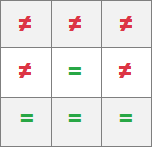
 What's New?